10 Common Cooking Mistakes and How to Avoid Them
10 Common Cooking Mistakes and How to Avoid Them
Cooking is a talent that improves with experience and time, but many novices frequently make simple mistakes that can negatively affect the taste and quality of their food. One’s confidence and efficacy in the culinary arts may be greatly increased by identifying these common errors and learning how to avoid them.
Not Reading the Recipe Properly
People frequently start cooking without carefully reading the recipe beforehand. This procedure may lead to timing errors or the missing of important processes, which will eventually lower the dish’s quality. To guarantee a thorough grasp of the required steps, it is crucial to read the recipe in its full before beginning the cooking process.
Using Incorrect Measurements

A dish’s success depends on using the right number of ingredients because using the wrong amount might have unfavorable effects. To get the desired flavor and consistency of the recipe, it is crucial to use appropriate measurement equipment to ensure precision, especially when measuring liquids and spices.
Cooking on the Wrong Heat Level
In the cooking process, heat regulation is essential. Because too much heat may burn food and too little heat can undercook it, proper heat control is essential. Following the suggested heat levels listed in each recipe is crucial to achieving the best possible cooking results.
Overcrowding the Pan

Avoiding packing the pan full of food is crucial for the best cooking outcomes. When too much food is placed at once, the temperature may drop, causing steaming instead of frying. To guarantee correct cooking, it is thus advised to prepare the dish in smaller batches if needed.
Not Preheating the Pan
Cooking results are greatly affected by starting with a cold pan. It is essential to warm your pan before adding any ingredients for optimal results. This method improves texture and flavor by ensuring that cooking happens uniformly across the meal.
Adding Salt Too Early or Too Late
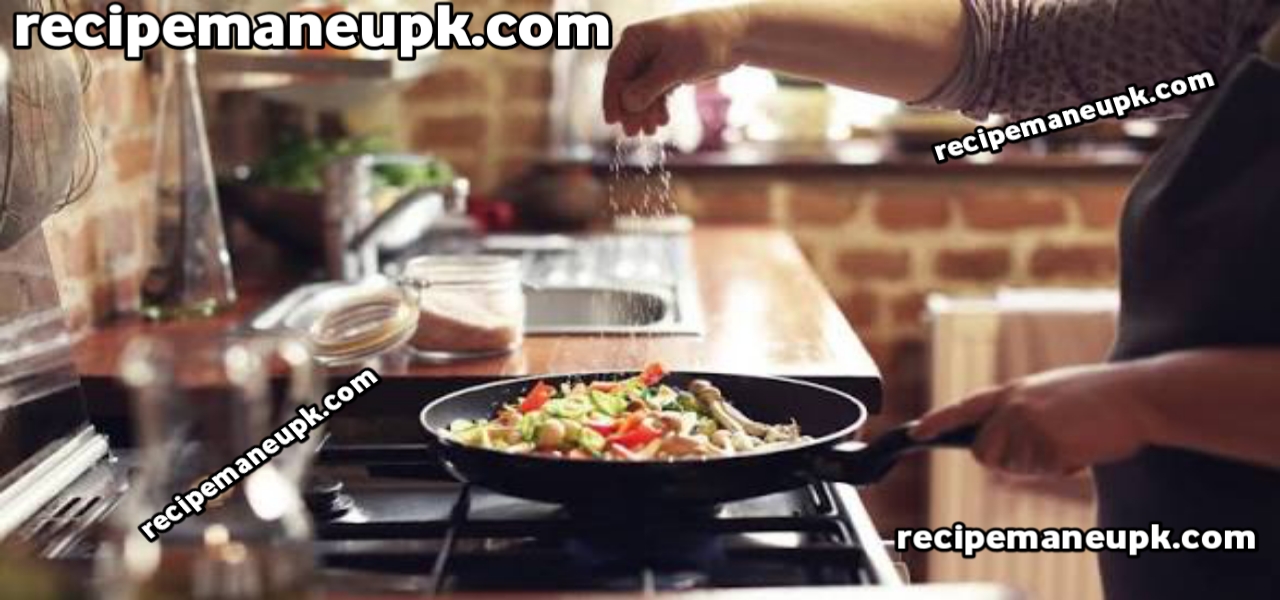
In cooking, salt is an essential element that improves flavor; yet, the time of its use is key to getting the right flavor. The finished food can be greatly impacted by adding salt either too early or too late in the cooking process. To get the best possible flavor development, it is best to add salt gradually and to sample the food while cooking.
Ignoring Ingredient Quality

A dish’s taste character can be greatly reduced by using outdated or inferior ingredients. Prioritizing the use of fresh veggies, premium meat, and pure seasonings is crucial to ensuring the finest flavor. The entire quality and enjoyment of the dinner are directly impacted by the quality of these elements.
Not Letting Meat Rest
Meat that is cut immediately after cooking frequently loses its natural fluids, giving it a drier texture. It is advised to let the meat rest for a few minutes before slicing in order to avoid this. The liquids can redistribute during this resting time, improving the meat’s overall moisture content and taste.
Skipping the Tasting Step
Cooking is more than just following a recipe; tasting the dish as it’s being prepared is crucial. This technique enables chefs to assess the seasoning and make necessary adjustments, resulting in a dish that is more tasty in the end. Before serving their meals to others, people may improve their overall quality and palatability by including tasting into their preparation practice.
Poor Kitchen Organization
Cooking effectively requires a clean and well-organized kitchen since a disorganized workstation can cause delays and mistakes. Cleanliness should be maintained throughout the cooking process, and all required items should be prepared before starting any culinary duties.
Conclusion
Being aware of typical errors that might lower the quality of your dishes is essential to improving your culinary abilities. You may improve the taste and appearance of your food and create more pleasurable eating experiences by being aware of these problems and using proper cooking methods. You can make great meals every time you cook by having a firm grasp of best practices in cooking, which not only streamlines the process but also improves the final product. In the end, improving your abilities and avoiding mistakes will make your culinary pursuits more fruitful and fulfilling.