Table of Contents
ToggleKitchen Safety Tips Everyone Should Know
Kitchen Safety Tips Everyone Should Know
Improving the quality of meals requires avoiding typical cooking errors. One may greatly enhance their culinary abilities and consistently create delectable meals by concentrating on the proper methods and practicing frequently. Knowing the fundamentals makes cooking easier and more enjoyable.
Furthermore, the kitchen is an essential part of the house, but if safety measures are not taken, it may be dangerous. Following basic kitchen safety regulations is essential to avoiding mishaps and guaranteeing a joyful and safe cooking experience.
Keep Your Kitchen Clean
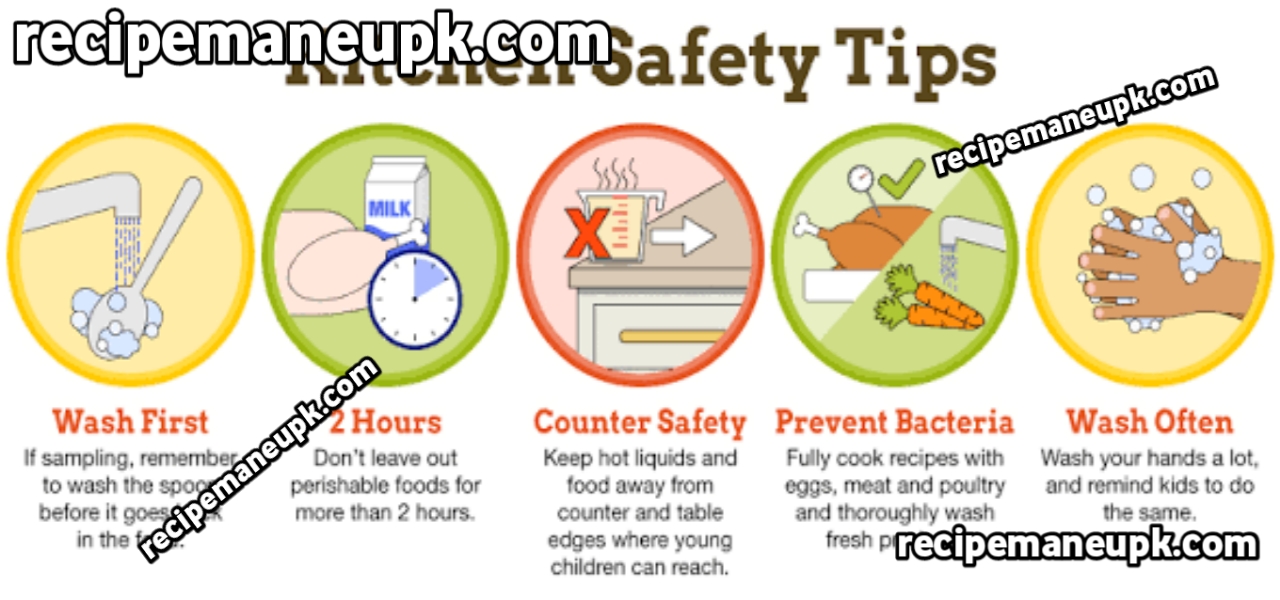
Reducing the possibility of mishaps and avoiding food contamination need a clean kitchen. Regularly wiping down surfaces, clearing up spills as soon as they happen, and making sure utensils are cleansed both before and after use are important ways to preserve cleanliness. These practices assist uphold food safety regulations and greatly contribute to a safer cooking environment.
Wash Hands Regularly

Reducing the chance of mishaps and contaminated food requires a clean kitchen. It’s crucial to often wipe down surfaces, clear up spills right away, and make sure utensils are cleaned both before and after use in order to maintain a hygienic workplace. It’s also essential to wash your hands before handling food and after handling raw meat, fish, or eggs. This practice ensures the safety of the food made in the kitchen by preventing the spread of germs.
Use Knives Carefully
Knives are essential instruments that are used for many different activities, but if they are not handled carefully, they may be quite dangerous. To reduce the chance of damage and to make sure your fingers stay away from the blade when using it,
it is essential to always cut away from your body. Additionally, using a sharp knife is crucial since dull blades are more likely to slip and cause mishaps. The risk of knife-related injuries can be considerably decreased by following these safety recommendations.
Avoid Cross Contamination

To prevent the transmission of dangerous pathogens, it is imperative to avoid using the same cutting board or cutlery for raw meat and vegetables. It is best to use different instruments for each kind of food to avoid cross-contamination. Alternatively, to guarantee food safety, if the same instruments must be used, they should be properly cleaned and sterilized in between usage.
Handle Hot Items with Care
To reduce the risk of fire, it is essential to keep paper towels, fabric materials, and plastic things at a safe distance from the stove. When exposed to heat sources, these kinds of materials can quickly catch fire due to their high flammability. In any culinary setting, keeping them away from the stove is crucial for safety.
Keep Flammable Items Away from Heat
Turn Pot Handles Inward
Turning pot handles inward when cooking on the stove is crucial for improving kitchen safety. By taking this precaution, the possibility of the pots being unintentionally knocked over is reduced, which is especially important in settings where children are present since it helps avoid spills or injury.
Be Careful with Electrical Appliances
Because there is a significant risk of electric shock, it is imperative to avoid using electrical equipment when your hands are moist. In order to reduce these risks, it’s also essential to make sure that electrical wires are maintained dry and in excellent shape. The risk of using electricity in potentially hazardous situations is greatly decreased by these safety precautions.
Store Food Properly
Perishable food must be kept in the refrigerator at the proper temperature to guarantee its safety and quality. Foodborne infections can result from food rotting, which is why this technique is crucial. By preventing the formation of dangerous microorganisms, proper refrigeration prolongs the shelf life of food products and protects consumer health.
Never Leave Cooking Unattended
There are serious risks associated with leaving food cooking on the stove unattended, including the potential for food to burn and the creation of fire hazards. To guarantee safety and avoid mishaps, it is essential to stay focused and present when cooking.
Keep a Fire Extinguisher Nearby
It is important to have a fire extinguisher in the kitchen since it allows for quick action to properly control any possible fire issues.
Conclusion
For everyone involved in cooking, kitchen safety is essential. Putting simple safety precautions in place may greatly lower the chance of mishaps and provide a safe cooking environment. You can make sure that your kitchen continues to be a safer place for you and your family by being diligent and closely following safety regulations.