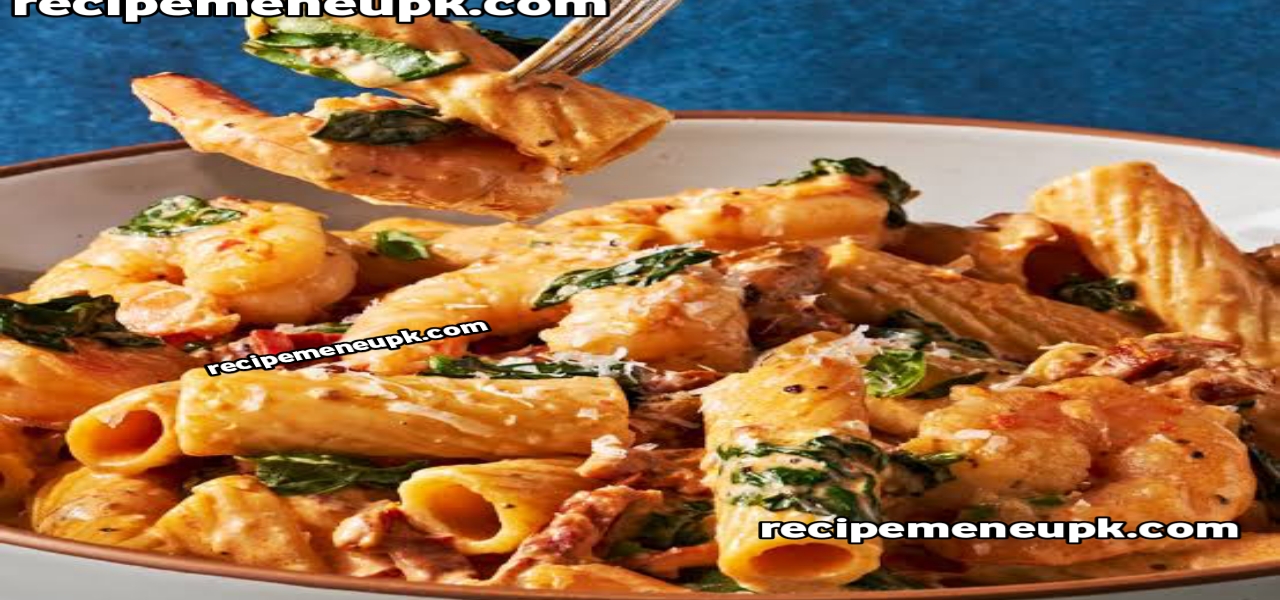
How to Make Perfect Pasta at Home (Step-by-Step)
Introduction How to Make Perfect Pasta at Home (Step-by-Step)
How to Make Perfect Pasta at Home (Step-by-Step)
It’s easier than most people think to make great pasta at home. Anyone can make restaurant-quality pasta in their own home with the right materials, careful scheduling, and a few simple methods. The step-by-step approach of this book ensures consistently great results with every preparation, making it suitable for both beginners and those looking to improve their culinary talents.
Choosing the Right Ingredients
The choice of premium ingredients is the cornerstone of excellent pasta, starting with durum wheat semolina, which keeps its form during cooking. For optimal preparation, pure water and the right amount of salt are essential. Fresh veggies, high-quality olive oil, and delicious herbs are recommended while making a sauce since they greatly improve the dish’s overall flavor.
Preparing the Water
To correctly cook pasta, start by adding enough water to a big pot and setting it over high heat. The amount of water used is essential since it ensures that the pasta cooks evenly. Once the water reaches a rolling boil, generously add salt until the water begins to taste somewhat salty. Since it’s the only chance to season the pasta while it’s cooking, this step is crucial.
Cooking the Pasta
Pasta is first cooked by adding it to hot water and carefully tossing to prevent the threads from sticking together. Although it’s crucial to follow the cooking time specified on the pasta box, it’s a good idea to start inspecting the pasta one minute before the recommended cooking time. “Al dente,” which means the pasta should be firm to the bite rather than soft or mushy, is the optimum texture to get.
Preparing the Sauce
Cooking the pasta is the first step in making a tasty meal. You may begin preparing your preferred sauce while the pasta cooks. Simple garlic and olive oil sauce, tomato-based sauce, or creamy sauce are among the options. To properly blend the flavors, make sure the sauce is cooked over medium heat. Fresh herbs like parsley or basil can also improve the sauce’s flavor and scent.
Combining Pasta and Sauce
It is crucial to save aside a little cup of the pasta boiling water before draining the pasta in order to obtain a smooth and silky texture when combining pasta with sauce. As soon as the pasta is drained, mix it with the sauce over low heat. Add a small amount of the pasta water that was set aside if the sauce is too thick until the right consistency is achieved.
Final Touches
After making sure the pasta and sauce are well combined, it is crucial to turn off the heat in order to finish the pasta meal. This stage aids in maintaining the pasta’s perfect taste and texture. After that, the meal may be improved with a variety of finishing touches, such as grated cheese, fresh herbs, or an olive oil drizzle. Serving the pasta right away while it’s still hot is strongly suggested for best flavor and enjoyment.
Common Mistakes to Avoid
Avoiding typical errors that can ruin the texture and flavor of pasta is crucial to producing high-quality pasta. First, make sure you use enough water—too little water might result in sticky spaghetti. Additionally, don’t forget to heavily salt the water; if you don’t, the pasta will taste bland. Finally, keep an eye on cooking times to avoid the common mistake of overcooking. Keeping an eye on these variables will improve your pasta meals’ overall quality.
Conclusion
Achieving the perfect mix of tastes and textures in pasta needs careful preparation. Important components include choosing premium ingredients, making sure the pasta is cooked to the right temperature, and carefully matching it with a well-made sauce. Pasta preparation will become a quick and enjoyable part of your culinary routine as you develop your abilities and techniques, enabling you to enjoy a delectable prepared dinner anytime you choose.
Frequently Asked Questions (FAQs)
What is the best type of pasta to use at home?
The meal being made has a big impact on the choice of pasta type. Spaghetti and other long pasta types work best with lighter sauces so they may be beautifully covered. On the other hand, small pasta dishes like penne or fusilli work really well with cream-based or thicker sauces because of their form, which makes it easier for the richer sauces to be retained. For pasta recipes to have the best flavor and texture, it is essential to comprehend the link between pasta type and sauce consistency.
How much salt should I add to pasta water?
You should add enough salt to the water so that it tastes somewhat salty, like saltwater. This method is crucial because it improves the pasta’s flavor from the inside out, making the dish taste better.
How do I know when pasta is perfectly cooked?
When pasta achieves the “al dente” stage—tender but yet somewhat firm when bitten—it is deemed perfectly cooked. Taste a piece of pasta before draining it from the cooking water to guarantee this ideal textur