Table of Contents
ToggleEasy Chicken Biryani Recipe Step by Step Guide
Easy Chicken Biryani Recipe Step by Step Guide
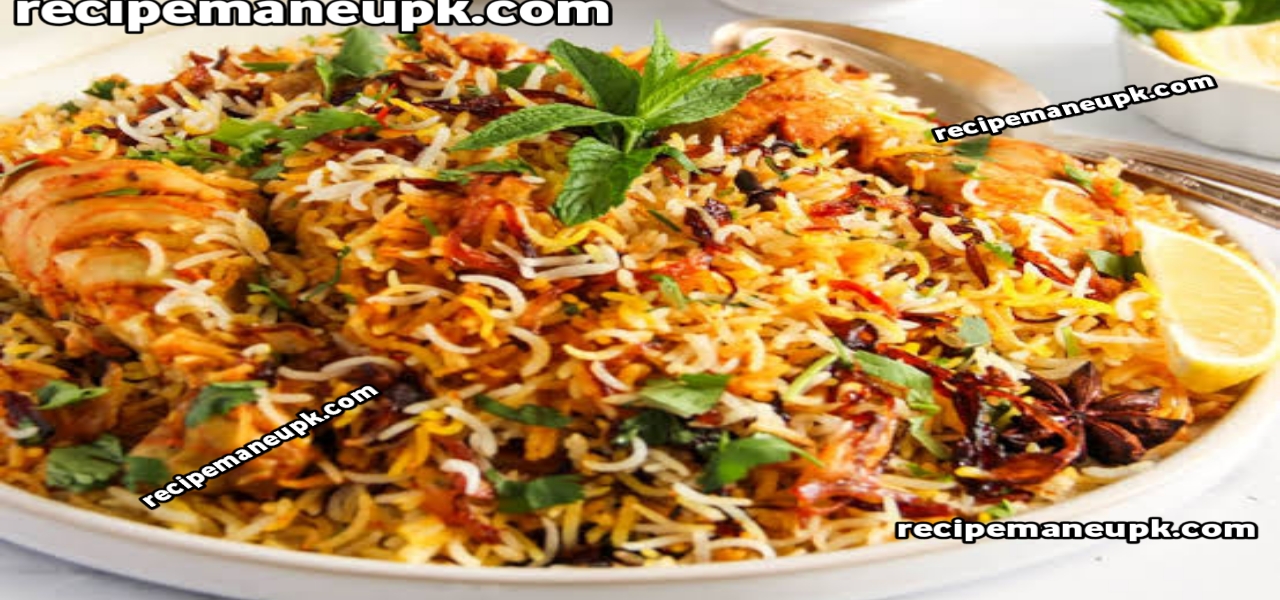
Easy Chicken Biryani Recipe Step by Step Guide A popular traditional meal in Pakistani homes all around the nation is chicken biryani. With easy-to-follow instructions, this detailed tutorial will help you make a basic yet delicious version of biryani. It’s made specifically for novices, guaranteeing that the dish produces a rich,Easy avory result that is on par with restaurant-quality biryani.
Ingredients

A standard measurement used in many recipes that call for this kind of long-grain rice is two cups of basmati rice. Because of its unique fragrant taste and fluffy cooked texture, basmati rice is perfect for a variety of recipes, especially in South Asian cooking. In order to avoid clumping and improve texture, it is frequently advised to rinse basmati rice in cold water before cooking.
A water-to-rice ratio of around 1.5 to 1 is usually needed to cook basmati rice, however this might change based on the technique and individual preferences. All things considered, basmati rice is a flexible mainstay in many culinary cultures.
In cooking, 500 grams of chicken is a typical quantity,Easy Chicken Biryani Recipe Step by Step Guide especially for dishes that call for specified amounts of protein. Depending on the dish and accompaniment, the weight represents a moderate quantity that is usually appropriate for cooking meals for two to three people. Because it may be prepared in a variety of ways, including roasting, grilling, frying, or baking, chicken is frequently selected.
It is a mainstay in many different cuisines throughout the world since it can be marinated and seasoned in a variety of ways to improve flavor. It is crucial to adhere to food safety procedures while handling chicken, which include thorough cooking to prevent foodborne diseases and appropriate storage at refrigerated temperatures.
For usage in cooking preparations, two medium onions must be cut. In order to guarantee even cooking and flavor distribution in the finished meal, this stage usually entails chopping the onions into uniform pieces. A sharp knife may be used for slicing, and the thickness of the slices should be adjusted according to the particular specifications of the recipe being followed.
The ingredient list includes two chopped tomatoes, indicating that a dish that probably calls for fresh vegetables is being prepared. When chopped tomatoes are included in a recipe, it usually means that they will be blended with other ingredients to create a tasty basis or to add moisture and acidity. Tomatoes can be chopped to increase their surface area, which speeds up cooking times and improves flavor integration when combined with other ingredients.
One cup of yogurt is a standard measurement used in dietary recommendations and cookery. Yogurt is a versatile dairy product with a creamy texture and sour flavor that is produced when certain bacteria ferment milk.
It may be used in many different dishes, from smoothies to sauces and sweets, and is frequently eaten plain or spiced. Yogurt also contains a lot of nutrients that are good for digestive health, such calcium, protein, and probiotics. It can be a part of a well-balanced breakfast or a nutritious snack. Depending on the brand and kind of yogurt (such as full, low-fat, or non-fat), the precise nutritional value may change.
A versatile item that is frequently used in many different cuisines to improve the flavor of foods is ginger garlic paste. This paste, which is usually produced from equal parts fresh ginger and garlic, is formed by grinding the components until they are smooth, frequently with a little water to make blending easier. It is a fundamental flavoring ingredient in many cuisines, especially Middle Eastern, Asian, and Indian cuisine.
In addition to its strong taste, the paste is commended for its possible health advantages, including as its anti-inflammatory and antioxidant qualities. It is a crucial part of many culinary traditions since it gives meat, vegetables, and sauces depth and scent. Its preparation makes it simple to store and utilize in a variety of recipes.
A typical spice used in many different culinary applications is two tablespoons of red chili powder. Red chili powder, which is derived from powdered dried red chilies and is well-known for its vivid color and intensity, is crucial for adding flavor and spice to recipes including marinades, stews, and curries.
Depending on the type of chili utilized, its strength can range from pleasantly spicy to extremely hot. Red chili powder has possible health advantages, such as improving digestion and having antioxidants, in addition to its culinary use. It’s crucial to modify the amount of red chili powder used in recipes to suit individual tastes and to work well with other ingredients.
One teaspoon of turmeric powder, which comes from the rhizome of the Curcuma longa plant, is a popular culinary ingredient with a vivid yellow hue. In many different cuisines, especially Indian and Southeast Asian cookery, turmeric powder is used to impart color and taste to food. Turmeric is well known for its possible health advantages outside of its culinary use, mainly because of its active ingredient, curcumin.
Curcumin has been investigated for its anti-inflammatory and antioxidant qualities, which may help with a number of health advantages, such as better digestive health and a lower chance of developing chronic illnesses. Turmeric powder is frequently used with black pepper in recipes to maximize the potential health benefits of curcumin by improving its absorption.
A typical ingredient in many South Asian dishes is one teaspoon of garam masala. A mixture of ground spices, such as cardamom, cumin, coriander, cinnamon, and black pepper, is called garam masala. This spice blend enhances the tastes of meats, vegetables, and lentils while adding warmth and depth to meals. To maintain its fragrant properties,
it is usually added at the end of cooking. Garam masala can be used in many ways depending on the location; different families or chefs have their own special formulas. All things considered, it is a crucial component that gives many Indian and Pakistani foods their rich flavor and aromatic character.
4 tablespoons cooking oil
The herb coriander (Coriandrum sativum), sometimes referred to as cilantro, is highly prized for its fresh green leaves, which are frequently utilized in a variety of culinary applications around the globe. Fresh coriander leaves have a unique flavor that varies from lemony to slightly spicy, and they are renowned for their vivid green color and delicate, lacy look. Fresh coriander leaves are frequently used as a garnish, giving foods like salads, salsas, curries, soups, and marinades a taste boost in addition to visual appeal.
Fresh coriander leaves are a popular option for health-conscious customers due to their abundance of vital minerals and antioxidants, in addition to their culinary applications.
Two green chilies are frequently used in a variety of culinary techniques to give food more taste and spiciness. Generally speaking, they are recognized for their vivid hues and mild heat, however this might vary based on the particular type of chili. Adding green chilies to dishes can improve the dish’s overall flavor profile and visual attractiveness.
They are frequently used as a flavoring in many different cuisines, including as Thai, Mexican, and Indian, as well as in sauces and salsas. Green chiles are a good source of vitamins A and C and may help increase metabolism, among other nutritional advantages.
Because of its acidic taste and adaptability in recipes, one tablespoon of lemon juice is frequently employed in cooking. It is used in drinks and may improve the flavor of a variety of foods, including marinades and salad dressings. Lemon juice is a common ingredient in many culinary contexts because of its acidity, which may assist balance tastes and add to a dish’s overall freshness.
Preparation of Rice Easy Chicken Biryani Recipe Step by Step Guide

Rice must be carefully cleaned before preparation in order to get rid of any contaminants and extra starch. The rice should be soaked for half an hour after washing. The grains can absorb some water during this soaking step, which can improve the cooking process and produce a better texture after cooking.
Set a saucepan on a heat source to start making boiling water with salt. Pour enough water into the saucepan and bring it to a roaring boil. To improve the flavor, add salt once the water reaches the boiling point. Stir until the water is ready for heating or additional processing and the salt has completely dissolved.
Cooking Chicken Masala
The first step in preparing the meal is to heat oil in a skillet and cook sliced onions until they turn golden brown.
After that, add the ginger garlic paste and simmer for one minute.
The chicken should then be added to the mixture and cooked for 5 to 7 minutes, or until it becomes white. After that, add the diced tomatoes to the pan and heat until they are tender.
Add the yogurt, biryani masala, turmeric powder, red chili powder, and salt when the tomatoes have softened.
Cook the mixture over medium heat until the flavors are well established and the oil can be seen to separate from the masala.
Layering the Biryani

Layer chicken masala at the bottom of a big pot to start preparing a tasty meal. After that, cover the chicken with a layer of boiling rice.
Add some green chilies, fresh coriander, and mint leaves to the rice to enhance its taste.
Drizzle some lemon juice on top for tang.
Top it with food coloring or saffron that has been diluted with a little milk for a vivid hue.
Dum Cooking Process
Put a lid on the saucepan to start preparing the food. This is important because it keeps moisture and heat. After that, reduce the heat to low and cook the ingredients for ten to fifteen minutes. The food won’t burn or overcook thanks to this delicate cooking method, which also helps to successfully balance the flavors.
Biryani’s unique scent is achieved by the harmonic mingling of tastes made possible by this procedure.
Tips for Perfect Biryani
A mushy texture from overcooking rice takes away from its intended quality. To make sure the rice keeps its firmness and is cooked through without getting too mushy, it’s crucial to keep a careful eye on the cooking time.
The masala must be cooked completely until the oil starts to separate from it in order to improve the dish’s taste. A deeper and more fulfilling culinary experience results from this technique, which also guarantees that the ingredients are correctly combined and cooked.
Since the dum procedure is essential to obtaining a genuine flavor, it is not suggested to skip it.
Conclusion
You can make a tasty and fragrant dish in your own kitchen by following this simple recipe for chicken biryani. Anyone who wants to taste classic biryani may make it with little effort because the recipe is made to be tasty but easy. As you get more adept at making this meal, you’ll be able to improve the tastes and your technique with each try.